This week saw a short plenary session of the European Parliament, lasting not four days, but two, and held not in Strasbourg, but in Brussels itself.
1
Last week began for me with an interview with Rus.Postimees about the Centre Party changing its political family in the European Parliament by moving to the European Conservatives and Reformists (ECR) group, whilst I remained in the liberal Renew Europe group.
Then, also on Monday morning, there was the now traditional ‘10 Minutes with Jana Toom’ on Radio Maximum, where we discussed the much-debated topic of the collapse of the EU. In short, I am convinced that the EU could not fall apart, however much some might dream of it. If Estonia ever were to decide to leave the EU, we would lose a great deal, whilst gaining hardly anything.
Immediately afterwards, I met with senior pupils at Mustjõe Gymnasium in the capital, then flew to Brussels. Whilst I was on the plane, my assistant Cristian held a technical meeting on the coordination of social security systems. I would remind everyone that at the end of April we have a trilogue – a meeting of representatives from the Council of the EU, the European Commission and the European Parliament – and the plan is to reach a final agreement.
On Tuesday, several committee meetings took place, during which we mainly voted on various issues. For instance, at a joint meeting of the Social Affairs and Women’s Rights committees, EMPL and FEMM, a vote was held on the report on the Care Gap, the pay gap between men and women working in the care of the elderly and sick. In the FEMM Committee, we also discussed a resolution acknowledging and condemning the mass rape of women and girls in Cyprus during the Turkish occupation.
On Wednesday, the first half of the day was devoted to discussing the upcoming vote. Before the plenary session began, I managed to take part in a meeting of shadow rapporteurs on the coordination of social security systems. We were developing our strategy for the April tripartite negotiations. On the same day, I also took part via the internet in a meeting of the Tallinn City Commission on Urban Property. Plus, I voted during the first part of the plenary session.
2
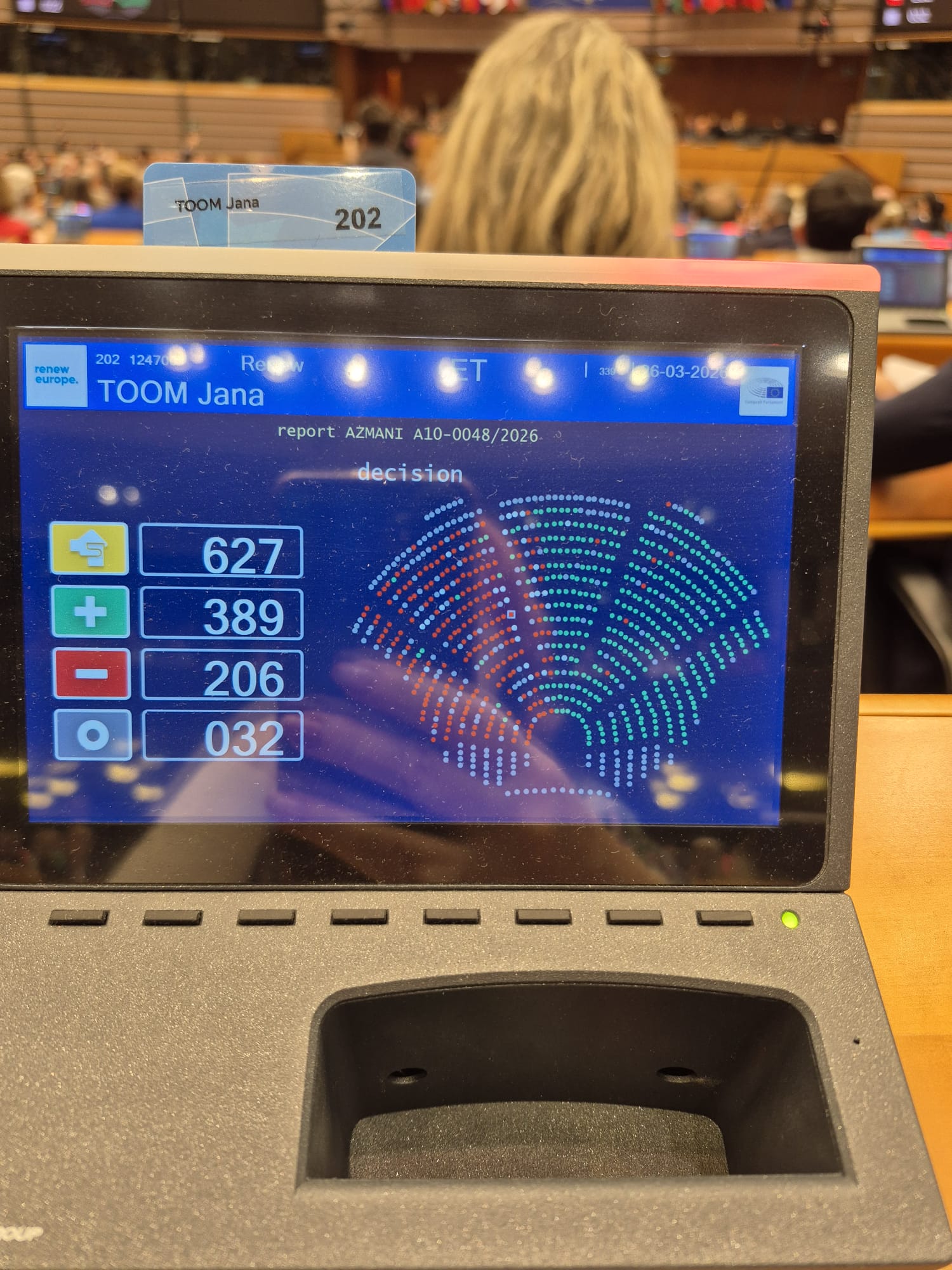
The second part of the plenary session took place on Thursday. During this session the European Parliament adopted a document I do not agree with: the new migration package. I do not approve of illegal immigration. At the same time, I am convinced that in any situation we must remain human, see others as human beings too and treat them accordingly. Meanwhile, in the European Parliament, the majority (389 in favour, 206 against) voted in favour of new laws under which any EU country can immediately deport illegal immigrants to camps in third countries without any oversight from the EU. Yet the MEPs who voted ‘for’ routinely express outrage at human rights violations in those very same countries. I cannot fathom this hypocrisy.
Migrants can now be thrown into prison, into cells with criminals, and kept there for as long as the authorities like. They can be separated from their families, including children. There is no point in complaining, for there will be no harmonisation of rules across Europe: each country is free to do with illegal migrants whatever it wants. I repeat that I am in favour of treating people with humanity in any situation. That is why I could not support excessive measures to combat illegal immigration.
On Thursday, I wrote a ‘Brussels Diary’ entry about the looming threat of stagflation to the EU economy and to all of us. On Friday morning, I flew off on a two-day business trip organised by the Renew Europe office to Finnish Lapland.
3
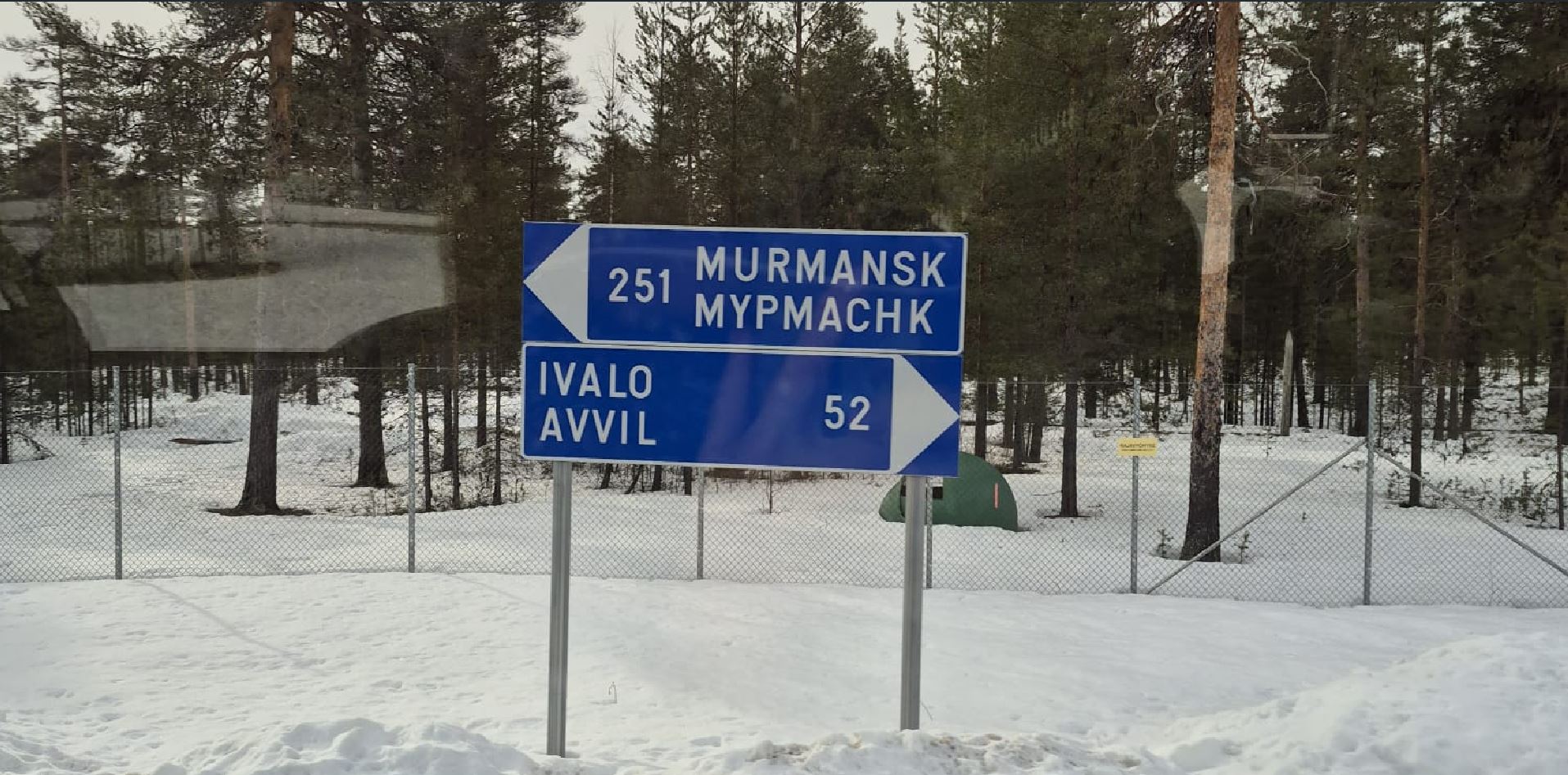
The aim of the visit was to see how Finland, having recently joined NATO, is responding to changes in the security landscape. It must be said that their preparations are quite different from ours. On the one hand, they proceed without undue fuss. On the other, virtually the entire population is involved in the preparations in one way or another. I am very impressed by this practical approach. Finland is building bomb shelters, modernising its border with Russia and training the military to operate drones…
We went to Lapland because it is a border region, but it also turned out that Sámi reindeer herders now have the best skills in operating drones: the shepherds use drones to track the movements of their reindeer herds. Admittedly, the Sámi complain that the army does not integrate them or invite them to take part in exercises. (A separate issue is how global warming is affecting the Sámi communities: the ecosystem is falling apart at the seams, the traditional way of life is becoming a thing of the past, and reindeer are dying due to sudden changes in the weather...)
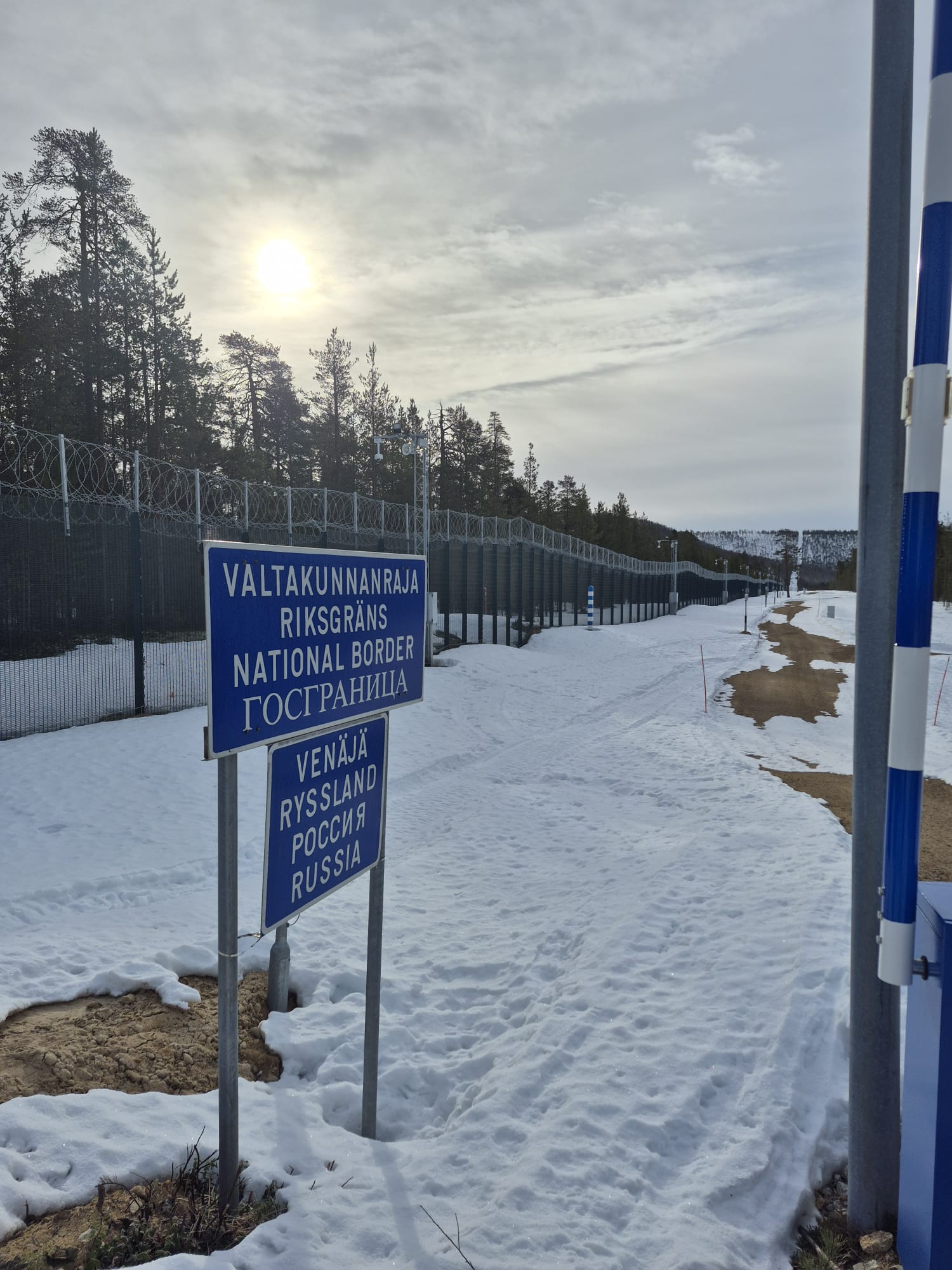
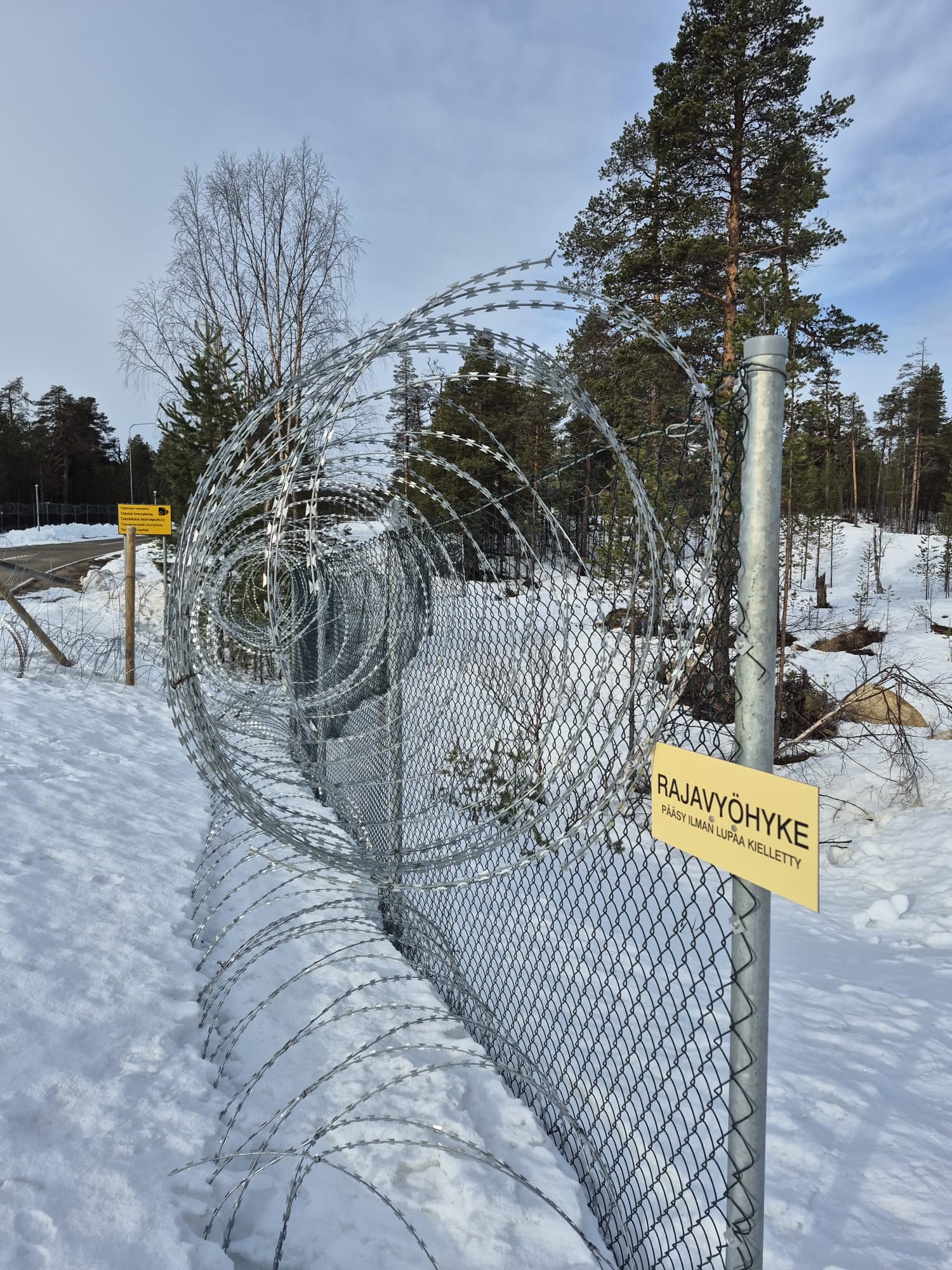
Interestingly, on the border with Russia, the Finns apply the same pragmatic approach. They still cooperate with the Russian side, partly to ensure that minor accidental incidents do not escalate into diplomatic scandals. If one side or the other mistakenly strays onto the other’s territory, no one is in a hurry to issue a press release about it or spend days discussing it in the press and from the highest platforms. This does not prevent the Finnish army from being in a state of readiness that, to us, seems ideal. And this is by no means a paradox. It is an attitude that we in Estonia sorely lack: people go about their work calmly, meticulously, and without hysterics.
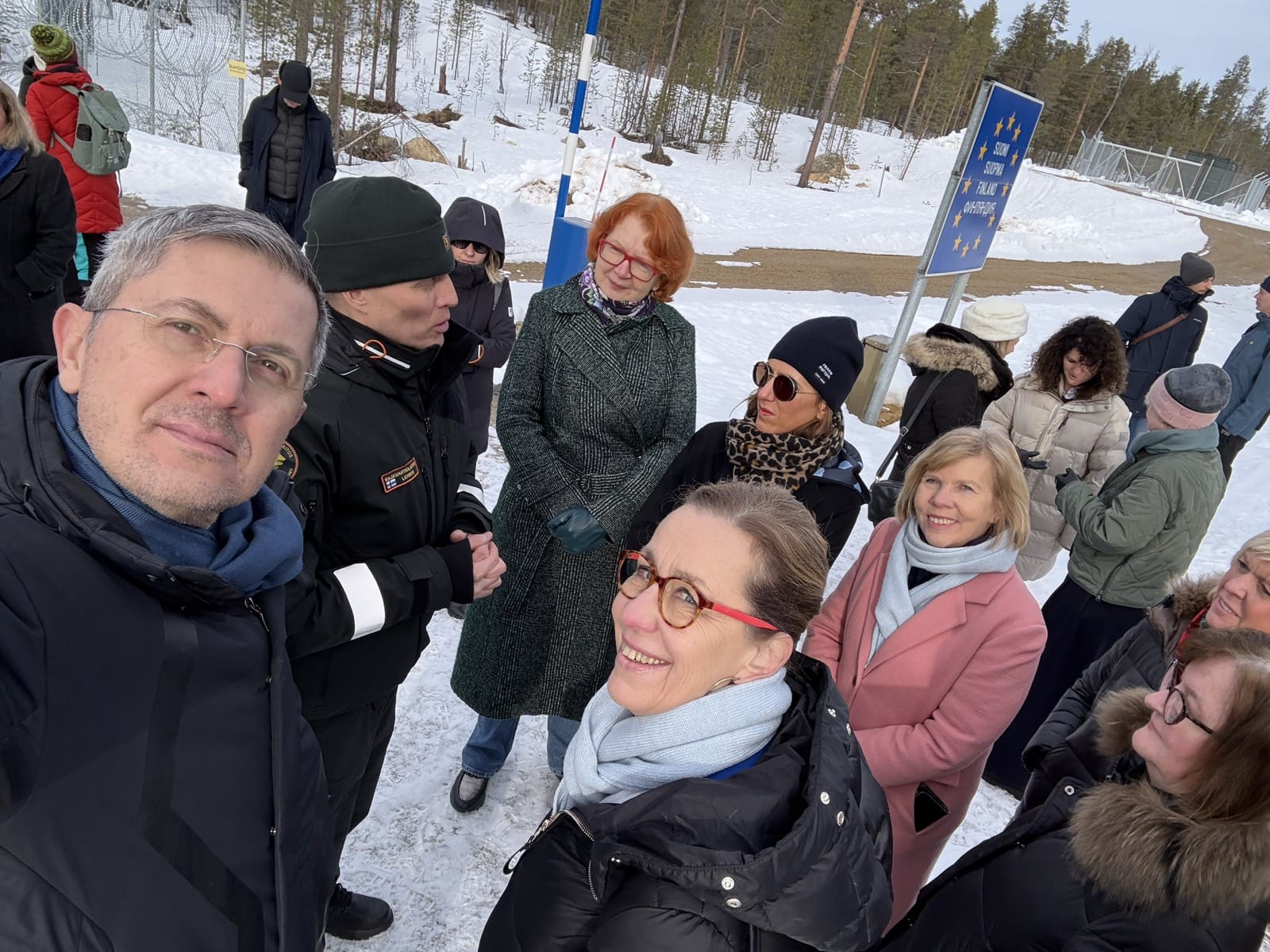
Members of the European Parliament Renew Europe group at the Joosepi-Raja border crossing.