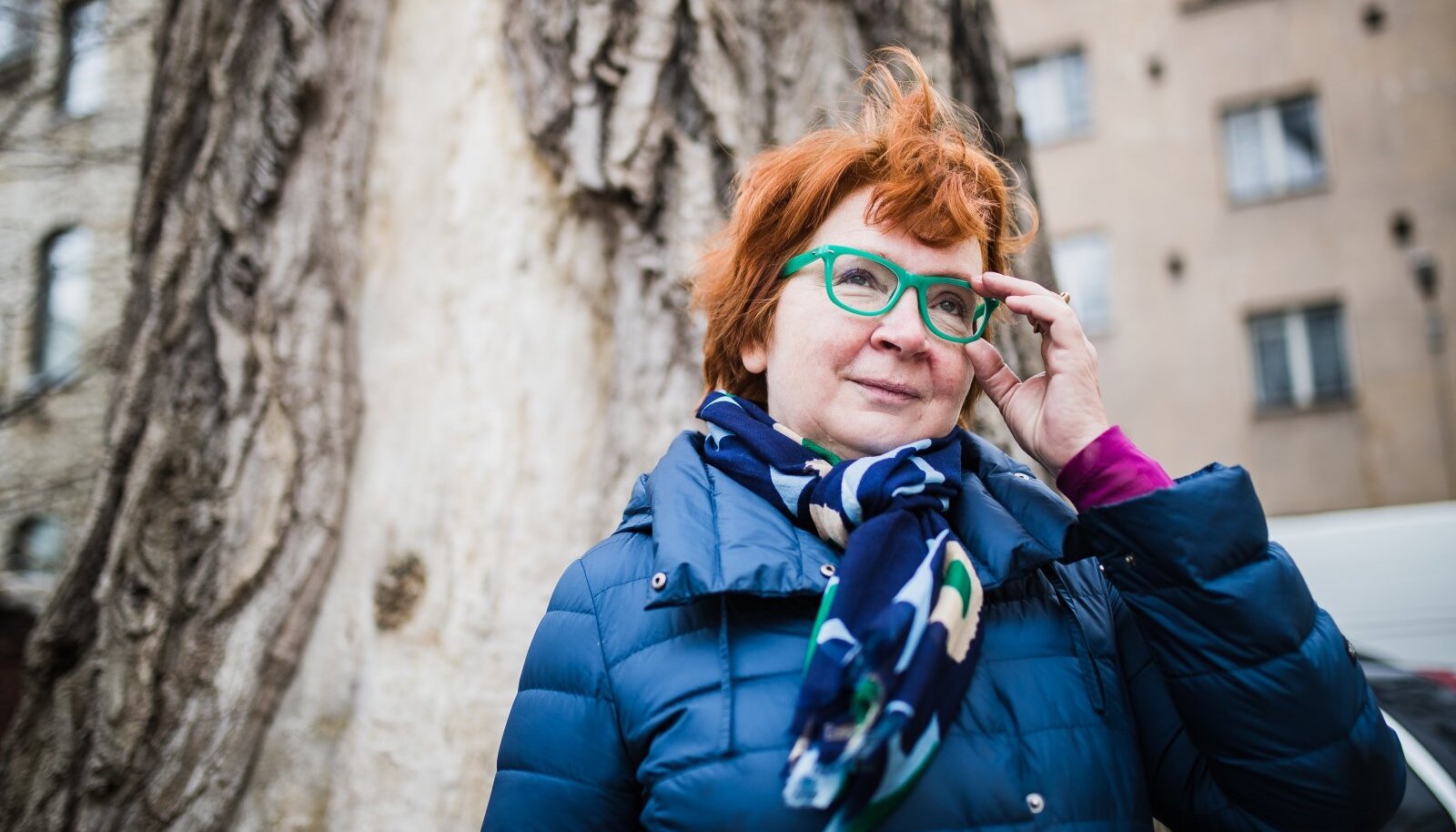
This week, like the previous one, was devoted to working in the EP committees and to preparing for the next week: on 9 February, the European Parliament's plenary session will begin in Strasbourg.
1
Throughout the week, I participated in meetings of various working groups. We were preparing for the plenary session, at which the European Parliament will vote on a wide range of bills. The EP has two dozen committees. No person can physically work in all of them, so all bills are presented to working groups. We discuss amendments and usually there are a lot of them. As a result, you get information and can decide to vote either in line with or against what your political group suggests. No one forbids you from deviating from the “party line”, but it is good manners to inform your colleagues in advance so that your vote won’t come as a surprise. Meetings continue till the very end of the week. For example, on Friday, I held a Renew Europe meeting online on the housing crisis report that will be voted on Monday.
2
3 February began with a meeting of the intergroup The Future of EU Cities, where we discussed the prospects for cities in the context of the future seven-year EU budget. This topic is also of interest to me as a member of the Tallinn City Council. We often hear about farmers' protests, especially against European initiatives, and, of course, agriculture is very important. At the same time, it accounts for less than 1.5% of European GDP, so most economic growth occurs in cities. However, the draft European budget does not provide for separate funding for cities. Our group believes that this is wrong, and we intend to lobby for funding for cities and ensure that the European Commission revises the budget in this regard.
3
On the same day, a meeting of the Trade Union Support Group was held. My colleague Johan Danielsson from Sweden, himself an active trade unionist, presented his report proposing to eliminate abuses in the subcontracting system (when a large company wins a tender and hires subcontractors) by limiting vertical subcontracting chains to two levels. I am the shadow rapporteur for this report from the Renew Europe group. There is little hope that the European Parliament will support us, for we have a very strong business lobby that doesn’t like such restrictions, but we will still try to convince the European Commission of the need to do something in this area. Otherwise, we’ll continue to see the kind of situations where our people go to work on a construction site in Finland, an accident happens… and because of the long chain of subcontractors, no one will be held accountable.
4
On Wednesday, among other things, I had a meeting with Maris Pedaja and Lukas Lepik from the Estonian Green Movement. This NGO (not to be confused with the Green Party) works to preserve and improve Estonia's natural environment. Among other things, we discussed the Just Transition Directive – how to get the situation in Estonia moving forward.
5
On Thursday, I attended a meeting of the Tallinn City Council, where we adopted the city's budget. I like it, because it is very socially oriented, aimed at helping people who have been made poorer by our economy.